What’s Really Causing Your Knee Pain?
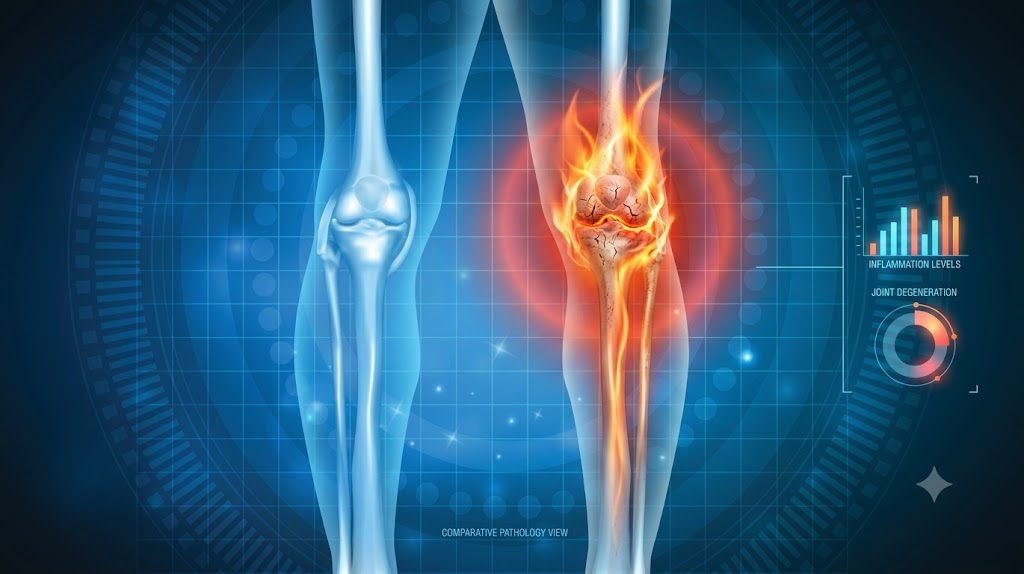
Knee pain is not always the result of a single injury. In many cases, it develops gradually when the demands placed on your knee exceed what your muscles, joints and surrounding tissues can comfortably handle.
Some of the most common contributors include:
- Muscle weakness, particularly around the thighs, shoulders, hips and glutes.
- Poor movement habits, such as limping or favouring one leg after an injury.
- Overuse, from repetitive work, sports or daily activities.
- Joint conditions, including knee osteoarthritis.
- Returning to activity too soon before the knee has fully recovered.
- Reduced flexibility, making everyday movements place more stress on the joint.
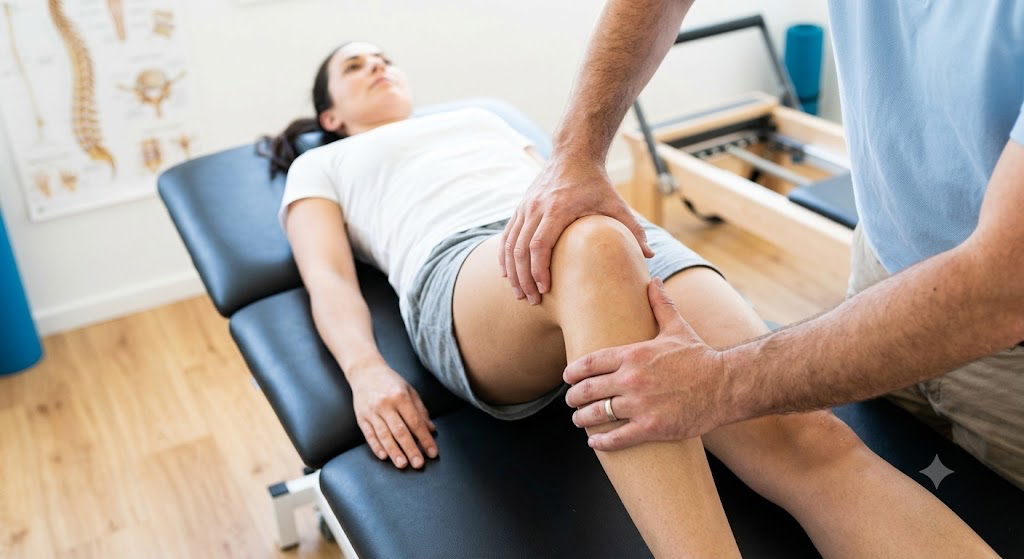
Physiotherapy for knee pain looks beyond where it hurts to identify these contributing factors and create a treatment plan tailored to your needs.
Why Treating the Cause Matters More Than Masking the Pain
Painkillers can be useful for managing discomfort, especially during the early stages of an injury or flare-up. However, they do not improve muscle strength, restore movement or address the reason the pain developed.
Here’s why physiotherapy offers a different approach:
| Painkillers | Physiotherapy for Knee Pain |
| Help manage pain and inflammation. | Focuses on improving strength, movement and joint function. |
| Provide temporary symptom relief. | Addresses the underlying factors contributing to pain. |
| Do not improve muscle weakness or movement patterns. | Includes personalised exercises and rehabilitation. |
| Symptoms may return when medication wears off. | Aims to support longer-term recovery and reduce the risk of recurring pain where appropriate. |
Depending on your condition, healthcare professionals may recommend physiotherapy as part of a conservative treatment plan before considering injections or surgery.
Your Recovery Journey: What Happens During Physiotherapy?
Every person’s recovery is different, but physiotherapy often follows a gradual progression based on your symptoms and goals.
Weeks 1–2: Reduce Pain and Improve Movement
Early sessions focus on easing discomfort, improving joint mobility and helping you move with greater confidence. Your physiotherapist may also recommend simple home exercises to support your progress between appointments.
Weeks 3–6: Build Strength and Stability
As your pain settles, treatment shifts towards strengthening the muscles that support your knees, hips and lower limbs. Balance, coordination and functional exercises are gradually introduced to improve everyday movement.
Week 7 Onwards: Return to Everyday Activities
The final stage focuses on helping you return safely to the activities that matter most, whether that’s climbing stairs, exercising, playing with your children or returning to sport. Your programme may continue to evolve depending on your progress and individual goals.
5 Everyday Habits That Could Be Making Your Knee Pain Worse
Many people only realise how much knee pain affects their lives when everyday movements become difficult. If you notice discomfort during any of these activities, it may be a sign that your knees need further attention.
- Climbing or going down stairs without holding onto the handrail.
- Getting up from a chair after sitting for a while.
- Walking around the shopping mall or market for extended periods.
- Kneeling for prayer or household chores without discomfort.
- Playing with your children or grandchildren, especially activities that involve squatting or running.
- Standing for long periods while cooking or working.
If these everyday tasks have become increasingly difficult or painful, physiotherapy may help improve your strength, mobility and confidence so you can perform them more comfortably.
Common Mistakes That Can Delay Knee Recovery
Mistake 1: Assuming Knee Pain Is Just Part of Ageing
Although knee pain becomes more common as we get older, it should not automatically be accepted as normal. Many people can improve their mobility and manage their symptoms with appropriate physiotherapy and regular exercise.
Mistake 2: Resting for Too Long
Rest may help during the early stages of an injury, but avoiding movement for extended periods can lead to weaker muscles and increased stiffness. Gradual, guided movement is often an important part of recovery.
Mistake 3: Waiting Until the Pain Gets Worse
Some people delay seeking treatment, hoping the pain will go away on its own. Early assessment may help identify the underlying cause and allow treatment to begin before symptoms become more difficult to manage.
Mistake 4: Relying Only on Painkillers
Pain medication may help reduce discomfort, but it does not improve muscle strength, movement or knee function. Physiotherapy focuses on addressing these contributing factors to support longer-term recovery.
6 Signs It’s Time to Get Your Knee Checked
If you’re unsure whether it’s time to seek professional advice, these signs may indicate that an assessment could be beneficial:
- ✔ Your knee pain has lasted for several weeks.
- ✔ The pain keeps returning after activity.
- ✔ You struggle with stairs, walking or standing for long periods.
- ✔ Your knee feels swollen, stiff or unstable.
- ✔ You’ve recently experienced a sports injury.
- ✔ You’re recovering from a torn ACL or another knee injury and want to return to activity safely.
Seeking help early may make it easier to identify the cause of your symptoms and develop an appropriate rehabilitation plan.
Your Knee Isn’t Working Alone
Although the pain is in your knee, the underlying cause is not always there.
Weakness or stiffness in your hips, ankles or lower back can affect how your knee moves and absorbs force during everyday activities. This is why physiotherapists assess your overall movement rather than focusing only on the painful joint.
By improving strength, flexibility and movement patterns throughout the lower body, physiotherapy may help reduce unnecessary stress on the knee while improving overall function.
While this article focuses on knee pain, physiotherapy may also help manage other musculoskeletal conditions such as neck pain, depending on the underlying cause.
Getting Back to the Activities You Enjoy
Persistent knee pain doesn’t have to stop you from doing the things you enjoy. Whether your symptoms are related to overuse, osteoarthritis, a sports injury or recovery from a torn ACL, physiotherapy for knee pain may help improve strength, restore movement and support your return to everyday life.
If knee pain is affecting your daily life, visit Apple Physio to learn how our physiotherapists may help you get back to doing the things you enjoy.