Why Physiotherapy Matters for Kuala Lumpur Residents
Physiotherapy addresses the physical demands of urban Malaysian life, from desk posture strain affecting office workers in Klang Valley to sports injuries among weekend athletes and post-surgical recovery needs across all age groups. The Ministry of Health Malaysia recognises physiotherapy as an allied health profession requiring formal registration and clinical training.
According to the World Health Organisation, rehabilitation including physiotherapy can reduce the impact of health conditions and support people to remain independent. For Klang Valley residents, managing chronic pain, recovering from orthopaedic surgery or addressing movement limitations, physiotherapy provides active, structured recovery without relying solely on medication or invasive procedures.
Choosing qualified care matters because improper treatment can delay recovery or worsen underlying problems. Licensed physiotherapists assess your condition systematically, design individualised treatment plans and adjust care based on your progress rather than using generic protocols.

Physiotherapy in Malaysia: Key Statistics
- The World Health Organisation states that rehabilitation helps people regain, maintain or improve abilities needed for daily living and can reduce the impact of many health conditions.
- According to NICE guidelines, exercise therapy is a core part of physiotherapy care for musculoskeletal conditions and is commonly paired with education and self-management.
- NICE recommends that manual therapy should only be used as part of a package including exercise, with or without psychological therapy, rather than as a stand-alone solution.
- A study published in PubMed Central found that parents of children receiving physiotherapy perceived benefits in physical function progression and social well-being progression, though time constraints were a major barrier to attendance.
- World Physiotherapy reports that physiotherapy helps restore movement and function when someone is affected by injury, illness or disability through physical methods.
- The NHS notes that physiotherapy can support recovery after joint replacement, helping people restore mobility and function through graded exercise and rehabilitation.
- For low back pain, NICE guidelines emphasise staying active, exercise and avoiding unnecessary passive-only treatment as the recommended care approach.
What Happens During Your First Physiotherapy Session
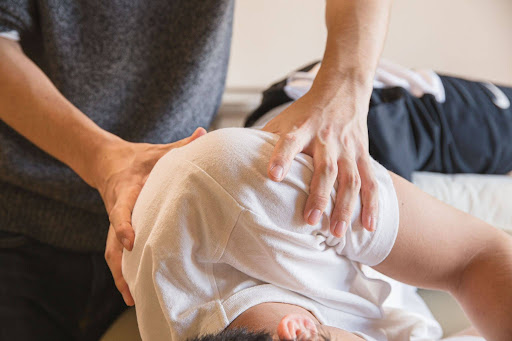
Your first physiotherapy visit in Kuala Lumpur typically lasts 45 to 60 minutes and focuses on understanding your condition before starting treatment. The physiotherapist begins with a detailed history review covering your symptoms, medical background, daily activities, work demands and specific goals.
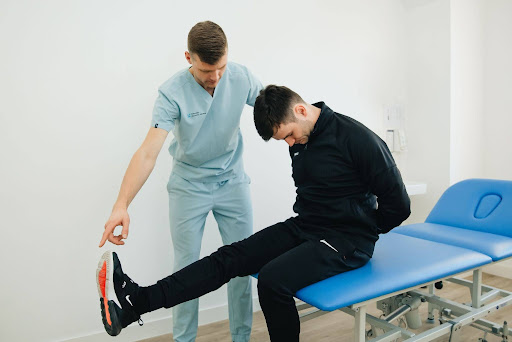
The physical assessment follows a structured format. The physiotherapist observes your posture, tests your movement range, measures strength and performs specific clinical tests to identify the underlying problem.
According to World Physiotherapy, a physiotherapist should assess pain, movement, strength and function before designing a treatment plan, as this assessment-based approach is standard in professional physiotherapy practice. You will receive an explanation of the findings, a working diagnosis or problem list and a proposed treatment approach.
Initial treatment usually begins during the first visit and may include manual therapy techniques, exercise instruction, pain management strategies or movement correction. Before you leave, the physiotherapist prescribes home exercises and explains what to expect between sessions.
Common Conditions Treated by Physiotherapy Clinics in Kuala Lumpur
Physiotherapy clinics across Kuala Lumpur address a broad spectrum of conditions that extend well beyond general aches and pains. Whether treating desk-bound professionals or elite local athletes, qualified physiotherapists utilize tailored clinical interventions to target the root cause of physical dysfunction and restore long-term mobility.
- Musculoskeletal issues
- Sports injuries
- Post-surgical rehabilitation
By breaking down treatment into these distinct medical categories, clinics can ensure that patients receive highly specialised care matched to their unique physiological needs. This comprehensive approach ensures that every individual, from sports injuries patients to patients recovering from surgeries, receives an optimised pathway back to full physical function.
How Much Physiotherapy Costs in Kuala Lumpur
Initial physiotherapy assessments in Kuala Lumpur typically cost below RM 150, while treatment sessions cost below RM 280 depending on the condition. Clinics with specialisation typically cost more than general clinics. First visits cost more because they include comprehensive assessment, diagnosis, initial treatment and exercise prescription, while follow-up visits focus primarily on treatment and progress monitoring.
Session length affects pricing directly. Standard 30-minute follow-up treatments cost less than 45 to 60-minute sessions that combine multiple treatment techniques.
5 Critical Clinical Realities of Physiotherapy
Rehabilitation Demands Active Participation
Modern physiotherapy focuses more on active rehabilitation rather than passive intervention. Clinical guidelines demonstrate that long-term recovery depends heavily on active exercise therapy, patient education, and guided self-management to rebuild tissue capacity.
Direct Access Is Professionally Established
You do not need to schedule a prior doctor’s visit just to get permission to see a therapist. Most private clinics in Kuala Lumpur allow direct bookings, which helps you start your structural rehabilitation early, though a doctor’s documentation remains helpful for formal insurance claims.
Care Pathways Are Highly Individualised
There is no universal session count that guarantees recovery. Your treatment timeline is determined strictly by the severity of your condition, your unique anatomical goals, and how closely you follow your home exercise programme.
Passive Techniques Are Support Modalities Only
Relying entirely on manual manipulation or passive adjustments will not fix structural weaknesses. Clinical evidence states that manual therapies should only be used to complement a broader rehabilitation framework that features active exercise.
Healing Does Not Require Intense Pain
The idea that a session must be agonizing to be effective is completely false. While reintroducing movement to injured areas can cause temporary mild discomfort, qualified therapists explicitly adapt their techniques to your individual pain tolerance.
Comparing Physiotherapy Clinic Types in Kuala Lumpur
| Clinic Type | Typical Session Cost | Treatment Focus | Best For
|
|---|---|---|---|
| General Physiotherapy Clinic | RM 120 – RM 180 | Common conditions, post-injury care, | Back pain, neck pain, general aches, stroke recovery |
| Specialist Rehabilitation Clinic | RM 180 – RM 350 | Orthopedic conditions, post-surgical care, complex conditions, Sports injuries, performance optimisation, injury prevention | Spine and joint pain, joint replacement and spinal surgery, Second opinion |
The 5-Point Clinic Selection Framework
Check therapist qualifications and registration
Ensure the physiotherapist holds a recognised degree and is registered with the Malaysian Physiotherapy Association or relevant professional body.
Assess their treatment approach
Quality clinics emphasise exercise-based rehabilitation and self-management rather than relying solely on passive treatments.
Evaluate communication and goal-setting
The physiotherapist should explain your condition clearly, involve you in treatment decisions and set measurable goals with realistic timelines.
Review clinic policies on pricing and insurance
Transparent clinics provide clear pricing information, explain what each session includes and issue proper receipts for insurance claims or employer reimbursement.
Consider location and scheduling flexibility
Choose a clinic that fits your daily routine across Kuala Lumpur neighbourhoods including KLCC, Bangsar, Mont Kiara, Cheras, Ampang or Petaling Jaya to ensure consistent attendance.
Insurance Coverage and Payment Options for Physiotherapy
Medical insurance coverage for physiotherapy in Malaysia varies significantly by provider and policy type. Most private health insurance plans cover physiotherapy when deemed medically necessary, typically requiring a doctor’s referral, diagnostic documentation, or proof of accident or injury.
Panel arrangements between insurance companies and physiotherapy clinics may allow cashless treatment, though many clinics operate on a pay-first-claim-later basis. Patients pay the full session cost upfront and submit itemised receipts, medical reports, and referral letters to their insurer for reimbursement.
Corporate health benefits and employee medical schemes often include physiotherapy coverage with specific annual limits depending on the employer. Government servants covered under designated medical schemes may access physiotherapy at public hospitals, though waiting times can extend several weeks.
Payment methods at Kuala Lumpur physiotherapy clinics typically include cash, online banking, credit cards, and e-wallets such as Touch ‘n Go and GrabPay. Package prepayment plans may offer discounted per-session rates.

What a Typical Post-Surgical Physiotherapy Timeline Looks Like
Recovery after total knee replacement follows a structured progression. Timelines vary by individual, but the general phases are consistent.
Days 1 to 3 – Hospital Phase
Basic movement, swelling management and safe mobilisation with assistive devices.
Weeks 1 to 6 – Early Outpatient
Sessions typically run one to three times weekly depending on the individual and clinic recommendation. Range-of-motion exercises, supported walking and early quadriceps strengthening.
Weeks 6 to 12 – Late Outpatient
Reduced frequency. Functional goals including stair climbing, balance training and return to daily activities.
Beyond 12 Weeks – Independent Maintenance
Clinic attendance ends. The patient continues a home exercise programme. Full recovery can take up to 12 months.
Consistency across all phases determines the outcome more than any single treatment session.
Choosing Physiotherapy for Specific Conditions: Quick Checklist
- For chronic back pain, seek clinics with specialized rehabilitation and education rather than passive-only treatments, as NICE guidelines recommend staying active and avoiding unnecessary passive-only treatment.
- For sports injuries, look for physiotherapists with sports medicine credentials, experience treating athletes and access to performance testing equipment.
- For post-surgical rehabilitation, confirm the clinic has experience with your specific procedure and maintains communication with your surgeon throughout recovery.
- For workplace injuries, verify the clinic can provide detailed medical reports and return-to-work assessments required by employers or compensation schemes.

Red Flags When Choosing a Physiotherapy Clinic
Avoid clinics that guarantee specific outcomes or promise complete pain elimination within a fixed number of sessions. Honest physiotherapy clinics acknowledge that recovery timelines vary based on condition severity, individual factors and adherence to home programmes.
Be cautious of clinics that rely exclusively on passive treatments such as heat, ultrasound or electrical stimulation without incorporating exercise and self-management strategies. According to NICE guidelines, manual therapy may be used as part of a broader plan, but it is not usually recommended as a stand-alone solution.
Question clinics that push package deals or long-term contracts before completing an initial assessment. Professional physiotherapy clinics assess your condition first, provide a realistic treatment plan and allow you to make informed decisions about ongoing care.
Watch for unclear pricing structures, hidden fees or reluctance to provide itemised receipts for insurance claims. Transparent clinics openly discuss costs, explain what each session includes and provide proper documentation without hesitation.
Making the Most of Your Physiotherapy Sessions
Bring Relevant Medical Data: Arrive prepared with details on your symptom timeline, previous treatments, current medications, and any medical imaging results.
Wear Appropriate Clothing: Dress in comfortable, loose athletic wear (like shorts or tank tops) that allows your therapist easy physical access to the affected area.
Do Your Home Exercises: Commit to your prescribed home routine between appointments, as consistent active recovery is core to accelerating your healing.
Maintain Open Communication: Share regular updates regarding your progress, concerns, or sudden symptom changes so your treatment can be adjusted dynamically.
Ask Informative Questions:
Enquire about your specific diagnosis, treatment rationale, and expected timeline to take an active role in your own recovery.
Final Thoughts
Physiotherapy in Kuala Lumpur offers evidence-based care for injuries, chronic pain and movement limitations through qualified professionals across the city. According to the World Health Organisation, rehabilitation including physiotherapy helps people regain abilities needed for daily living and reduces the impact of health conditions, making it a valuable option for Malaysians seeking structured recovery without relying solely on medication or surgery.
If you are looking for professional physiotherapy care in Kuala Lumpur with transparent pricing and individualised treatment plans, visit Apple Physio Rehab to learn more about services and book your assessment.