Key Takeaways
- Tennis elbow is caused by repetitive gripping and wrist movement, not just racquet sports, which is why it also affects office workers, tradespeople and home cooks alike.
- Occupations involving frequent lifting, gripping or repetitive hand motion carry a noticeably higher risk of developing this condition.
- Early self-care such as activity modification, ice and gentle stretching can help, but persistent pain usually needs a proper assessment.
- Physiotherapy supports tennis elbow relief by addressing the underlying movement pattern, not just the pain itself.
Why Is It Called the Tennis Elbow?
The name comes from the fact that the condition was first widely recognised in tennis players, particularly those with a poor backhand technique that repeatedly strains the forearm tendons.
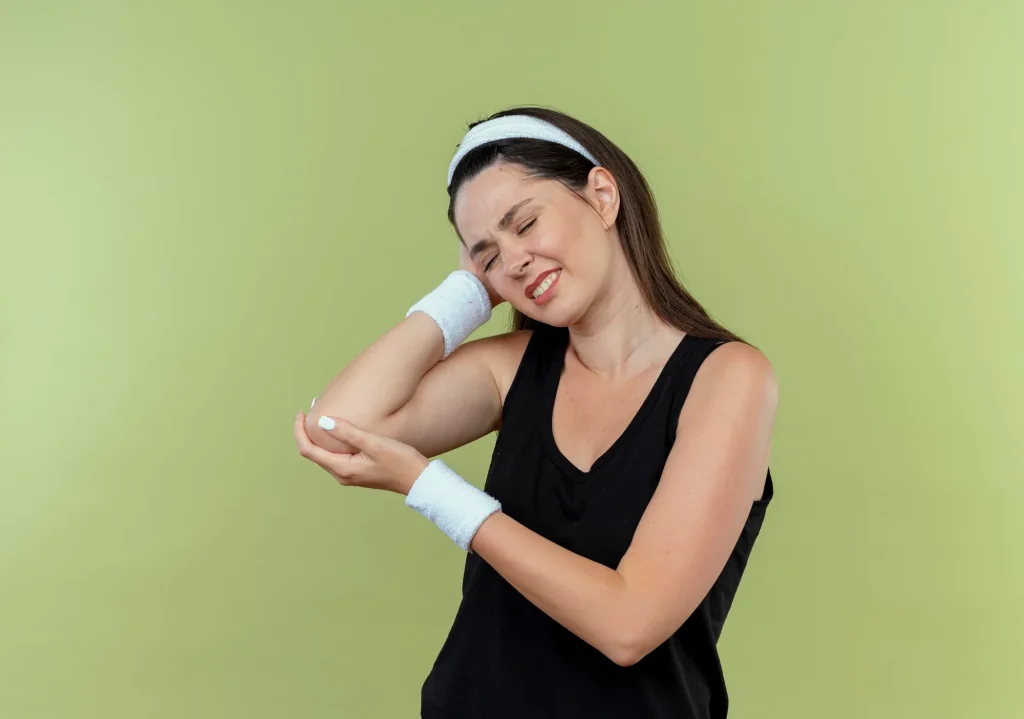
Medically, it is known as lateral epicondylitis. It happens when the tendons connecting your forearm muscles to the outer part of your elbow become irritated or overloaded, usually from repeated gripping and wrist extension.
The tennis link stuck in popular language, but the mechanism behind it has very little to do with sport specifically. Any activity that repeatedly stresses that same tendon, whether it is swinging a racquet or scrubbing a pan, can trigger the same problem.

Who Actually Gets Tennis Elbow
Research into who develops this condition paints a different picture than the name suggests. Manual and repetitive occupations show up again and again as major risk factors.
Office and Desk Workers
Hours spent typing, gripping a mouse or holding a phone between shoulder and ear can quietly overload the same forearm tendons that also drive wrist pain from repetitive strain.
It rarely happens overnight. It tends to build up gradually until a simple task like lifting a kettle suddenly hurts.
Tradespeople and Manual Labourers
Painters, carpenters, plumbers and mechanics who regularly grip tools or twist their wrists are at a considerably higher risk than people in non-manual roles.
Studies looking at manual workers have found their odds of developing this condition are markedly higher compared with people in desk-based jobs.
Healthcare and Food Service Workers
Nurses, healthcare assistants and kitchen staff who lift, carry and grip repeatedly throughout their shifts fall into some of the highest-risk groups identified in occupational studies.
Meat cutters and food processing workers, for example, have shown notably higher rates of this condition compared with the general population.
Parents and Caregivers
Lifting a child, carrying a car seat or gripping a pram handle for extended periods puts the same repetitive strain on the forearm as many workplace tasks.
This group is often overlooked simply because the activity does not feel like “work”.
Hobbyists and DIY Enthusiasts
Gardening, knitting, playing a musical instrument or weekend home renovation projects all involve repeated gripping and wrist movement that can gradually irritate the tendon over time.

Early Tennis Elbow Relief Steps
In the first few weeks, most guidance focuses on calming things down rather than pushing through the pain.
- Activity modification: reducing or adjusting the movements that aggravate the elbow, rather than stopping all use of the arm.
- Ice or heat: applied for short periods to help manage discomfort and swelling.
- Over-the-counter pain relief: used short term and best discussed with a pharmacist or doctor.
- Gentle stretching: keeping the wrist and forearm mobile without forcing painful positions.
- A brace or strap: worn during aggravating tasks to help offload the tendon.
These steps can genuinely help in the early stages. What they will not do on their own is fix the underlying movement pattern or workload that caused the problem in the first place.
When Self-Care Isn’t Enough
Complete rest might sound like the obvious answer, but most current guidance actually favours pacing activity rather than avoiding the arm altogether.
If pain has lasted more than a few weeks despite self-care, or it is limiting your grip strength and daily function, that is usually the point to seek a proper assessment, especially if you are unsure what physiotherapy recovery involves.
| Self-care approach | What it typically addresses |
|---|---|
| Ice, rest, OTC pain relief | Short-term symptom relief in the early stages |
| Brace or strap | Reduces tendon load during aggravating tasks |
| Physiotherapy assessment | Identifies the movement pattern or workload driving the strain |
| Structured exercise programme | Rebuilds tendon capacity and grip strength over time |
A clinical approach becomes useful because it looks beyond the elbow itself to how you grip, lift and use your wrist throughout the day.
How Physiotherapy Helps
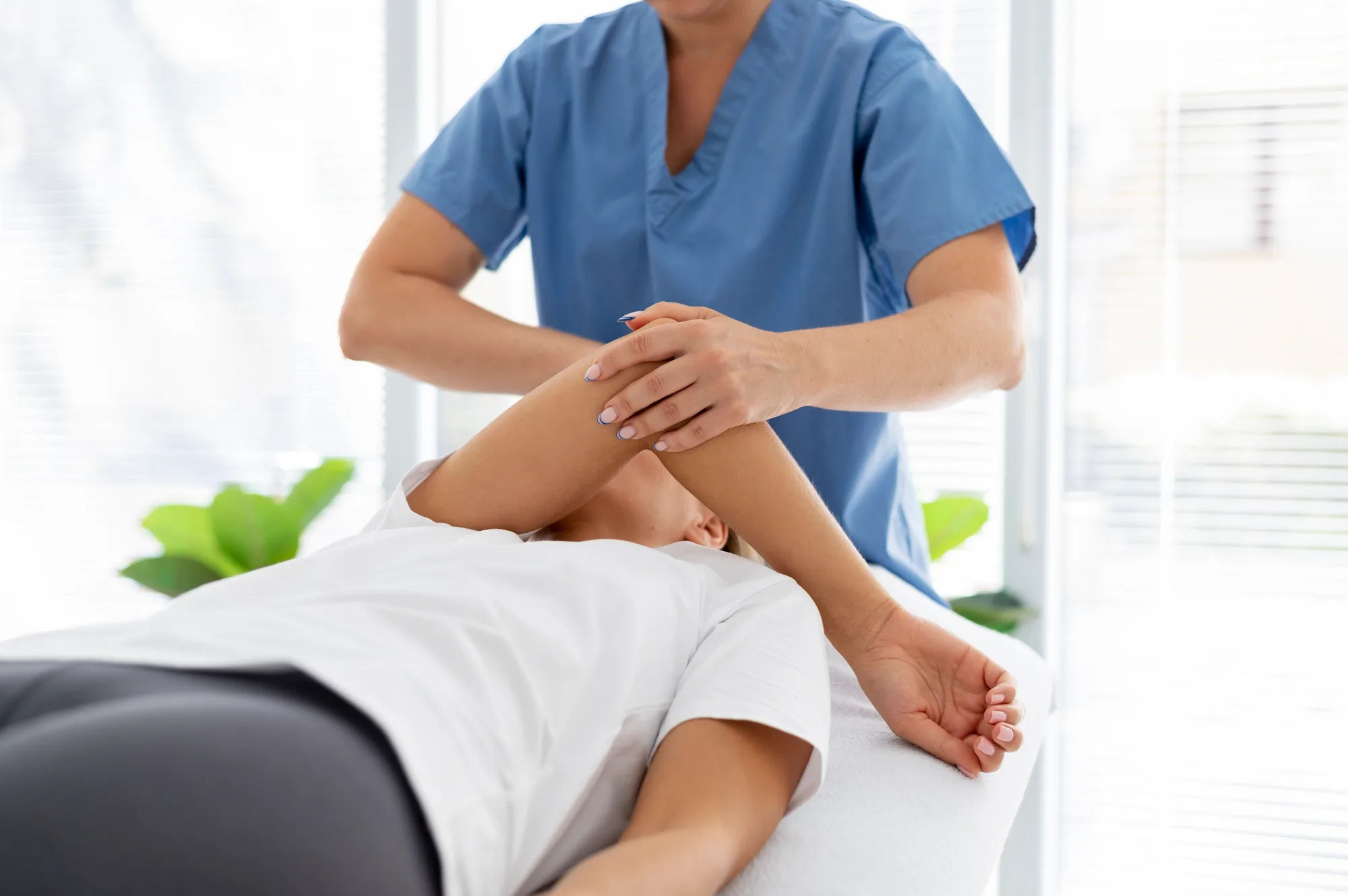
At Apple Physio Rehab, elbow pain is assessed by looking at the full picture, including how the wrist, forearm and even shoulder are working together during daily tasks. Apple Physio Rehab practices active and regenerative rehabilitation.
At first, the physiotherapist will manage the pain. Moving forward, the physiotherapist will guide you through targeted stretching and strengthening exercises designed specifically for the affected tendon, rather than generic advice found online.
This often includes gradual loading exercises that help the tendon tolerate everyday activities again, along with practical advice on grip technique, tool choice or workstation setup depending on what triggered the strain.
The aim is not just to settle the pain for now, but to help you rebuild strength and confidence and reduce the chances of it returning once you go back to your normal activities, whether that is typing, lifting patients, gardening or carrying your toddler.
Take Action on Tennis Elbow Relief
Tennis elbow has very little to do with tennis for most of the people who actually get it. It is about repetitive strain, whatever form that takes in your daily routine.
If you have been dealing with elbow pain that will not settle, it may be worth having it properly assessed rather than waiting it out.
Apple Physio Rehab’s team can help you understand what is driving your symptoms and build a plan suited to your specific work, hobbies or lifestyle.
Reach out to us today to book an assessment and take a clearer step towards lasting tennis elbow relief.