When done properly, physiotherapy does more than reduce pain for a short period of time. It helps people move better, regain strength, and rebuild confidence in their bodies.
Effective physiotherapy focuses on how a person moves in real life, not just what hurts during a session.
Whether someone is recovering from surgery, managing long-term pain, or rebuilding strength after an injury, physiotherapy works best when it is structured, purposeful, and tailored to individual needs.
This article explains how well-designed physiotherapy services can support sustainable recovery after leaving the clinic.
Key Takeaways
- Physiotherapy works best when it starts with a proper assessment that looks at movement patterns, strength, and daily demands in addition to addressing the location of pain.
- Pain relief plays an important role, but lasting recovery comes from restoring movement quality and gradually rebuilding strength.
- Different conditions, such as post-surgery recovery, sports injuries, and long-term pain, require different rehab approaches and progression speeds.
- Recovery involves both physical effort and mental adjustment, especially overcoming fear of pain, re-injury, or movement failure.
- Structured physiotherapy services provide clear direction on what is safe to do, how to progress, and how to regain confidence in everyday movement.
Table of Contents
Assessment First, Not One-Size-Fits-All
Physiotherapy that works always begins with a proper assessment.
Pain alone does not explain the full problem. How someone moves, compensates, and uses their body daily matters more than the location of pain itself. This is because pain does not always come from where the issue started.
The body works as an interconnected system.
- When one area becomes weak, stiff, or painful, other parts often change how they move to compensate.
- Over time, those compensations can overload different joints or muscles, creating pain somewhere else entirely.
- For example:
- Knee pain may be linked to poor hip control.
- Shoulder pain can be influenced by posture or stiffness in the upper back.
- Lower back pain may be affected by how someone walks, sits, or even breathes.
Treating only the painful spot without understanding these connections can lead to short-term relief, but may be insufficient for long-term results.
What you need instead is a thorough assessment that:
- Looks at posture, joint movement, muscle strength, balance, and movement patterns during everyday actions such as walking, standing up, reaching, or lifting.
- Considers previous injuries, surgeries, work demands, and lifestyle habits, then identifies the links to your predicament.
This step is critical. Without understanding the root cause of the issue, treatment becomes guesswork. A personalised assessment allows physiotherapy to target the right areas from the beginning.
Pain Relief That Supports Long-Term Recovery Over Temporary Comfort
No one enjoys pain, especially the constant kind. That is why pain is often the first concern after injury or surgery.
In physiotherapy, however, pain relief is a starting point, not the end goal. The purpose is to make movement possible so recovery can actually progress.
Pain relief in physiotherapy is typically used to:
- Reduce pain and stiffness enough to allow safe movement
- Improve circulation to support tissue healing
- Calm overactive or guarded muscles that restrict motion
Hands-on techniques such as manual therapy, soft tissue work, and joint mobilisation are commonly used to achieve this. These approaches help the body move more comfortably, especially in the early stages of recovery.
Just as important is understanding what pain relief alone does not do:
- Pain relief alone does not correct poor movement patterns.
- Pain relief alone does not rebuild lost strength or stability.
- Pain relief alone does not prevent pain from returning if the underlying issue is not addressed.
That is why pain relief is always followed by sessions to retrain movement and build strength. Once discomfort is under control, physiotherapy focuses on restoring how the body moves, loads, and supports itself. This approach reduces reliance on medication and lowers the risk of pain returning due to unresolved movement problems.
Retraining Movement for Daily Life
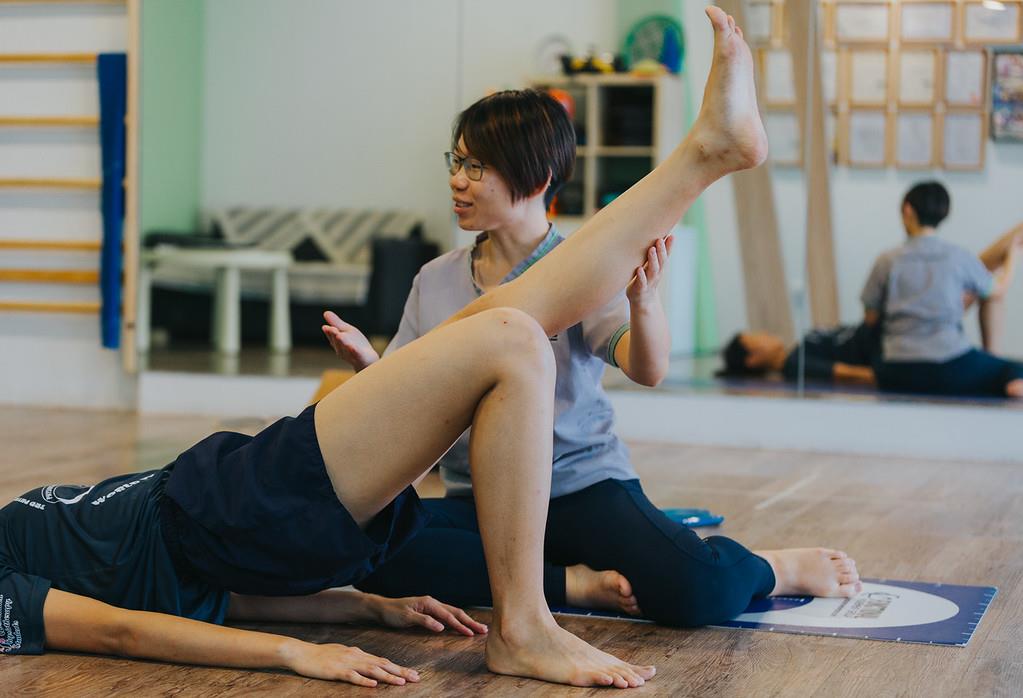
After injury, surgery, or prolonged pain, the body often adapts in unhelpful ways.
Limping, avoiding certain movements, leaning to one side, or holding tension can slowly become habits that place extra strain on other joints and muscles.
Movement retraining focuses on correcting these patterns. Instead of practising movements that only work in a clinic setting, physiotherapy targets actions people use every day, such as:
- Walking
- Sitting
- Standing
- Lifting objects
- Climbing stairs
The emphasis is on control and awareness rather than force. By improving how movements are performed, unnecessary strain is reduced and efficiency improves. Over time, better movement patterns carry over into daily activities naturally.
Building Strength in a Safe, Progressive, and Purposeful Manner
Strength loss happens quickly after injury, surgery, or reduced activity. Weak muscles place extra stress on joints and make simple tasks feel harder than they should.
In physiotherapy, strength is rebuilt in a gradual and structured way. Progression usually follows clear stages, based on how the body responds:
- Early stage: Activating key muscles and restoring basic control through simple, supported movements
- Middle stage: Building strength and endurance with controlled resistance as confidence and tolerance improve
- Later stage: Increasing challenge and complexity to support real-life activities, work demands, or sport-specific movement
At each stage, exercises are selected with intention. The focus is on muscles that support posture, joint stability, and efficient movement, rather than isolated strength alone.
Strength work is also guided by functional goals. Whether the aim is to walk more comfortably, return to work duties, or resume sport, exercises are chosen to support those outcomes. This step-by-step approach allows strength to build steadily, helping the body move with more ease and reliability over time.
Rehabilitation Tailored to Different Needs and Conditions

Recovery is not the same for everyone.
Physiotherapy services are adapted based on the condition, stage of healing, and individual goals of each patient. For example:
- Post-surgery recovery
- Focuses on protecting healing tissues while gradually restoring movement and strength.
- Progression is carefully timed to support healing and reduce stiffness or weakness.
- Sports injuries
- Emphasise strength, coordination, and control to prepare the body for higher loads, faster movements, and sport-specific demands.
- Rehab often includes more dynamic and progressive exercises.
- Work-related and repetitive strain conditions
- Address posture, movement habits, and load management during daily tasks.
- Treatment often links exercises directly to work activities such as lifting, prolonged sitting, or standing.
- Chronic or long-standing pain conditions
- Use a slower, graded approach that builds tolerance to movement.
- Rehab focuses on consistency, pacing, and gradually expanding what the body can handle.
- Age-related mobility or balance issues
- Prioritise strength, balance, and coordination to support safe movement, independence, and daily function.
As recovery progresses, treatment plans evolve. Exercises and techniques are adjusted to match improvements and new goals. This flexible approach allows rehabilitation to stay relevant and supportive as the body adapts and strengthens over time without overwhelming it.
Recovery Is Both a Mental and Physical Effort
Recovery does not happen only in the muscles and joints. How someone feels about moving again plays a big role in how well they recover. After injury or surgery, many people develop a fear of pain, re-injury, or doing the wrong thing. This fear often leads to hesitation, guarded movement, or avoiding certain activities altogether.
Physiotherapy supports recovery by addressing both the physical and mental sides of movement. Clear guidance helps people understand what is safe, what to progress, and what sensations are normal during healing. When uncertainty is reduced, movement becomes more relaxed and controlled.
A key part of recovery is gradually overcoming fear through guided exposure to movement. This usually involves:
- Reintroducing movements in a controlled and supported way
- Building tolerance to activity step by step rather than all at once
- Learning the difference between expected discomfort and pain that needs attention
As strength and movement quality improve, confidence begins to replace fear. Everyday tasks such as walking, lifting, reaching, or returning to work feel less threatening because the body feels more capable and predictable.
Over time, this combination of physical progress and reduced fear allows recovery to continue beyond structured sessions. People move with more trust in their bodies, which helps them stay active without constantly worrying about pain or failure.
A Smarter Approach to Physiotherapy
Physiotherapy that works is built on more than short-term relief. It requires proper assessment, a clear understanding of how the body moves as a whole, and a structured plan that progresses with purpose. When treatment addresses strength, movement quality, and confidence together, recovery becomes more consistent and less frustrating.
Good physiotherapy helps people understand their bodies better. It shows what is safe to do, what to progress next, and how to respond when challenges arise along the way. This clarity allows recovery to continue beyond individual sessions and supports long-term mobility, independence, and resilience.
If you are recovering from injury, surgery, or ongoing pain and want a structured, evidence-based approach, our team at Apple Physio Rehab is here to support your journey to regain strength, movement, and confidence at every stage of recovery.
Talk to us today to schedule an assessment to better understand what your body needs and take the next step forward with clearer direction.