Hearing the word scoliosis can raise many questions. Parents worry about long-term health, posture, pain, or whether their child will need aggressive treatment. Others discover scoliosis later in life and wonder what it means moving forward.
Scoliosis care today looks very different from what many people remember or expect. Treatment is no longer based on a single solution or one-size approach. It is guided by age, growth stage, curve pattern, symptoms, and how the body functions in daily life.
This article explains the approaches to current scoliosis treatments in Kuala Lumpur, with a focus on helping families understand what support looks like across different life stages.
Key Takeaways
- Scoliosis is a three-dimensional spinal condition that affects posture, movement, and balance, not just the visible curve of the spine.
- Treatment approaches depend on age, growth stage, curve pattern, symptoms, and daily function, for both adolescents and adults.
- Physiotherapy-led care focuses on movement quality, strength, posture, and confidence to support long-term spinal health.
- Scoliosis-specific exercises and bracing can play a role at certain stages, guided by individual assessment and needs.
- Surgery is considered in specific situations involving curve severity, progression, or functional impact, and is part of a broader care pathway.
- With appropriate guidance and ongoing support, many people with scoliosis stay active, capable, and confident over time.
Table of Contents
Scoliosis Is a Three-Dimensional Condition
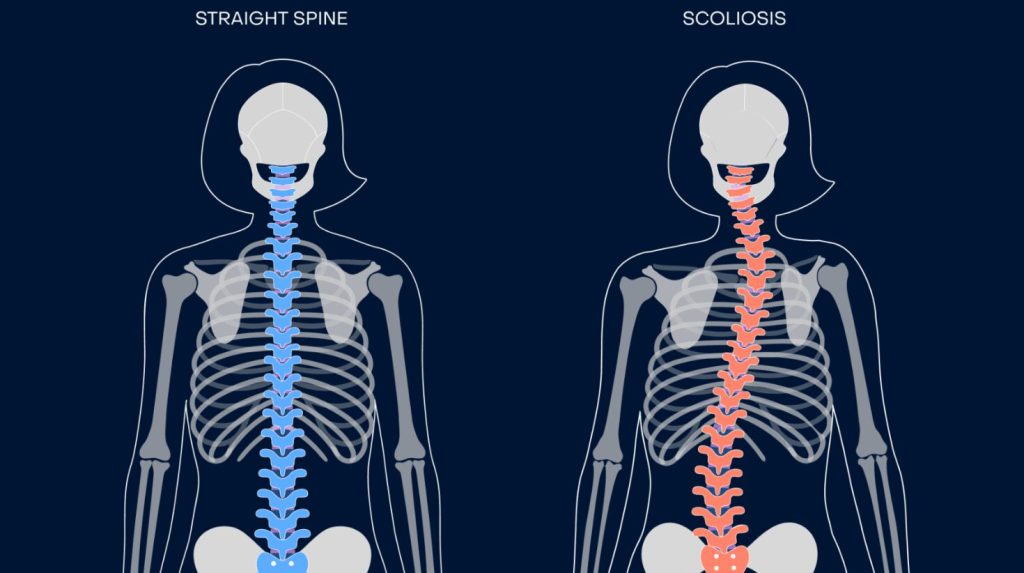
Scoliosis is more than a side-to-side curve of the spine. It is a three-dimensional condition that involves rotation, changes in spinal alignment, and shifts in how the body balances itself.
Scoliosis can affect posture, shoulder height, rib position, or the way someone moves. It also explains why treatment looks beyond the spine alone.
- The spine curves and rotates together, affecting posture and movement
- Muscles on each side of the body adapt differently over time
- The body often compensates through the hips, shoulders, and rib cage
Understanding scoliosis as a whole-body condition sets the foundation for treatment approaches that focus on function, comfort, and long-term movement.
When Monitoring Is Enough and When Treatment Becomes Helpful
Scoliosis does not always require immediate intervention. In many cases, especially with mild curves, regular monitoring is part of responsible care.
What monitoring looks at can differ by age, but the principles stay consistent:
- In adolescents:
Tracking spinal changes during growth phases, especially around puberty, when the spine may adapt more quickly.
- In adults:
Observing posture, movement patterns, and how the spine responds to daily demands such as work, sitting, and physical activity.
- Across all ages:
Paying attention to comfort levels, fatigue, balance, and how easily someone moves through everyday tasks.
For parents, this approach provides clarity and reassurance. It allows space to act when needed while supporting normal activity and development. When changes appear in movement, comfort, or curve progression, additional support such as physiotherapy can be introduced at the right time.
Physiotherapy-Led Scoliosis Management
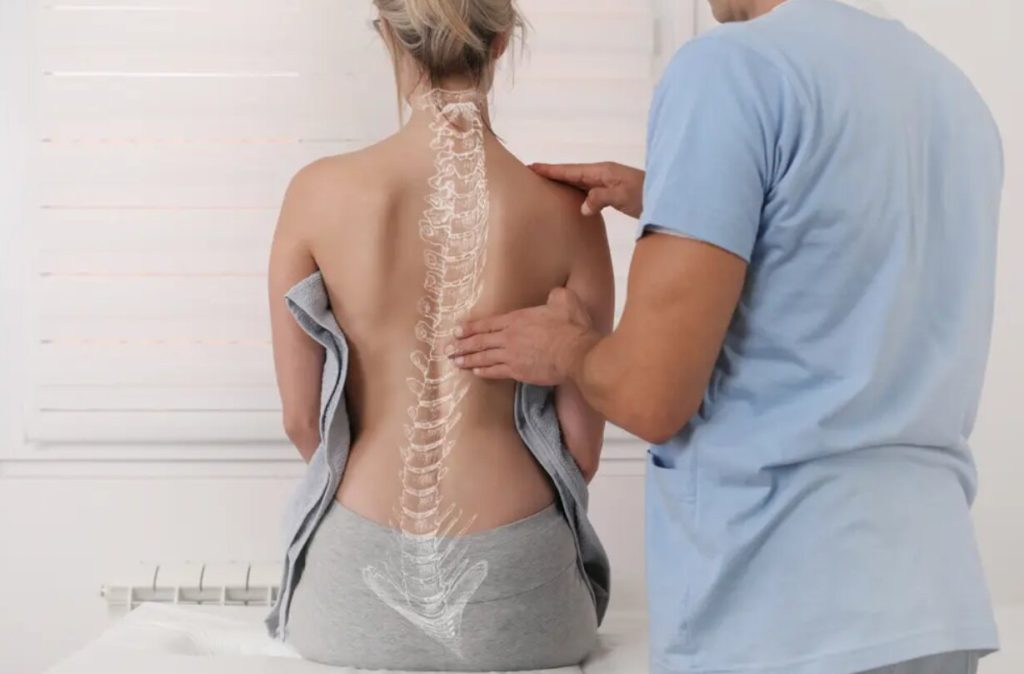
Physiotherapy plays a central role in modern scoliosis care for both adolescents and adults. The focus extends beyond the curve itself and looks at how the body moves, stabilises, and adapts during daily activities.
Physiotherapy-led management typically focuses on several key areas.
- Improving postural awareness and spinal control
- Patients with scoliosis tend to develop habitual postures that feel natural to them but place uneven stress on the spine and surrounding muscles.
- Physiotherapy helps individuals recognise how they sit, stand, and hold their body, then gradually improve control over spinal alignment during everyday activities such as studying, working, or standing for long periods.
- Strengthening muscles that support balanced movement
- Scoliosis can lead to uneven muscle activation on different sides of the body. Some muscles work harder while others become underused.
- Physiotherapy targets these imbalances by strengthening muscles that support the spine, pelvis, and trunk so movement feels more stable and less tiring.
- Encouraging efficient movement during daily tasks
- Walking, sitting, lifting, and reaching can place extra strain on certain areas when movement patterns are inefficient.
- Physiotherapy helps retrain these actions so force is shared more evenly across the body, reducing unnecessary fatigue and discomfort over time.
For adolescents, this approach supports healthy movement during growth, improves coordination, and builds confidence as the body undergoes physical development. For adults, it helps manage muscle imbalance, stiffness, and fatigue that can develop gradually with work demands and daily responsibilities.
By focusing on how the body functions as a whole, physiotherapy supports active participation in school, sports, work, and family life across different stages of life.
Scoliosis-Specific Exercise Approaches
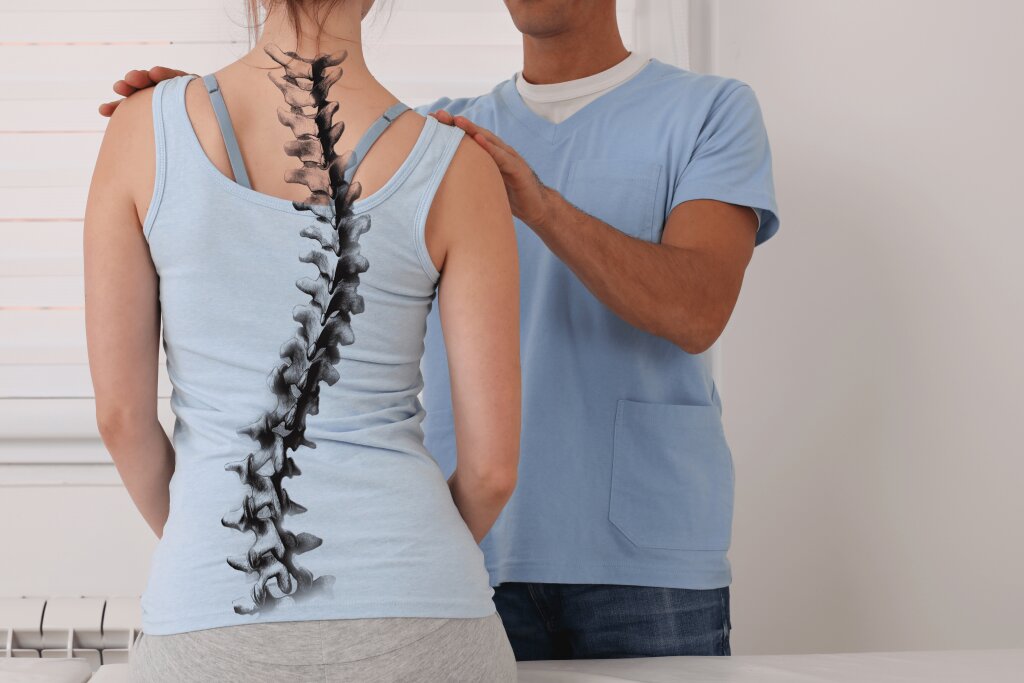
Some physiotherapy programmes include scoliosis-specific exercise approaches that are designed around the three-dimensional nature of spinal curves. These methods recognise that scoliosis involves rotation, asymmetry, and changes in how the body distributes load, not just a visible curve.
Scoliosis-specific exercise approaches are typically structured and individualised, with several key components.
- Curve-aware positioning and movement control
- Exercises are selected based on the individual’s curve pattern. This helps guide the body into positions that encourage more balanced alignment and controlled movement.
- Over time, this improves awareness of posture and how the spine behaves during everyday activities.
- Breathing techniques linked to spinal movement
- In scoliosis, the rib cage often moves asymmetrically.
- Targeted breathing exercises help improve rib mobility and support better trunk expansion.
- This can influence posture, comfort, and endurance during prolonged sitting or activity.
- Targeted muscle activation and endurance training
- Certain muscles work harder in scoliosis to stabilise the spine, while others contribute less.
- Scoliosis-specific exercises focus on improving activation and endurance in muscles that support alignment and postural control, especially during sustained positions such as standing or sitting.
For adolescents, these exercises can support postural development and body awareness during growth. For adults, they help manage stiffness, fatigue, and postural strain that build up over time.
These methods are typically guided by trained professionals and integrated into a broader physiotherapy plan. The key takeaway is that exercises are tailored and purposeful, not generic routines.
When Bracing Is Recommended and Its Role at Different Ages
Bracing is one of several tools used in scoliosis management, and its role varies depending on age, growth stage, and individual needs. Understanding when and why bracing is used helps parents make sense of how it fits into overall care.
Bracing is most commonly used during adolescence, particularly when growth is ongoing, and curves show potential for progression.
- During growth in adolescents
- Bracing is often used to guide spinal alignment while the spine is still developing.
- The goal is to support posture and influence how the spine adapts during growth phases.
- Bracing is usually combined with regular monitoring and physiotherapy to maintain strength, mobility, and daily function.
- Supporting daily activity and participation
- Modern bracing approaches aim to allow continued participation in school, physical education, and daily routines.
- Physiotherapy supports adolescents in maintaining movement quality and confidence while wearing a brace.
In adults, the role of bracing looks different.
- Postural support and comfort
- Bracing may be used to provide additional support during specific activities or longer periods of standing or sitting.
- The focus is on comfort, fatigue management, and postural awareness.
- Complementing physiotherapy care
- For adults, bracing is typically part of a wider plan that includes movement retraining and strength work.
- It supports the body during certain tasks while physiotherapy builds long-term control and stability.
Across all ages, bracing works best when it is tailored and supported by appropriate guidance. It is one part of scoliosis care, used alongside assessment, movement support, and ongoing review as needs change over time.
When Surgery Enters the Conversation
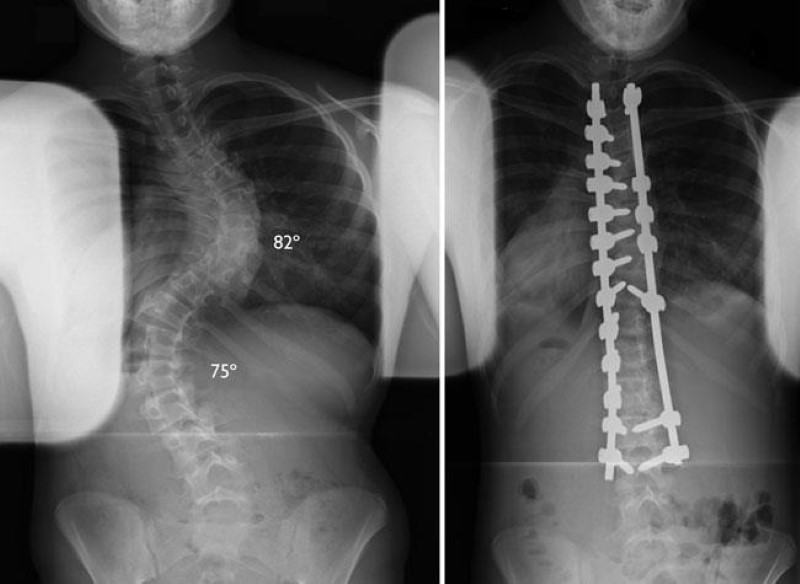
Scoliosis surgery is designed to address significant structural changes in the spine. In simple terms, it aims to stabilise the spine, improve overall alignment, and reduce further progression of the curve when specific clinical criteria are met.
The most common form of scoliosis surgery involves realigning sections of the spine and securing them with specialised implants such as rods and screws. These implants hold the spine in a corrected position while the bones gradually heal and stabilise over time. Surgery focuses on spinal balance and stability in the long run.
Surgery is only considered after careful assessment of several factors.
- Curve size and structural changes
- Larger curves or curves that continue to change over time may place increasing stress on the spine and surrounding structures.
- In some cases, surgery is discussed to address significant structural concerns that affect spinal alignment and stability.
- Rate of progression
- In growing teens, how quickly a curve changes is an important factor.
- In adults, progression may relate more to degenerative changes, joint stress, or altered load distribution over time.
- Monitoring helps identify when progression becomes clinically meaningful.
- Impact on daily function and comfort
- Surgery is sometimes considered when scoliosis significantly affects daily activities, endurance, or overall quality of life.
- This includes difficulty maintaining posture, persistent fatigue, or discomfort that limits participation in work, school, or daily routines.
- Neurological or structural involvement
- In specific situations, changes in spinal alignment may affect nerve structures or spinal balance.
- Surgical input helps assess these risks and determine appropriate next steps.
For parents, it is important to understand what surgery entails and discuss it within a broader context of care. It is not a sudden decision, and it usually follows a clear process of assessment, monitoring, and conservative management.
Many individuals with scoliosis, both adolescents and adults, continue to manage their condition through physiotherapy-led care, movement support, and lifestyle adaptation. When surgery is considered, it is part of a collaborative decision-making process that weighs physical findings, functional goals, and long-term well-being.
Living Well With Scoliosis Over Time
Living with scoliosis is a long-term journey that includes periods of growth, change, and adaptation. With appropriate guidance, both adolescents and adults can continue to participate fully in school, work, sports, and family life.
Modern scoliosis care focuses on consistency and understanding. Long-term management supports how the body moves, adapts, and responds to daily demands over time. Staying active with appropriate guidance, revisiting assessments during growth or lifestyle changes, and building strength and control gradually as the body adapts are all vital and proactive steps to take.
For parents, understanding current scoliosis management brings clarity and reassurance. With proper assessment and ongoing support, scoliosis can be managed thoughtfully, allowing individuals to stay active, capable, and confident as they grow and adapt.
Looking for structured, physiotherapy-led support for scoliosis?
Get in touch with Apple Physio Rehab today. Our team provides assessment and guidance tailored to both adolescents and adults.