
Why Heel Pain Happens
The heel absorbs significant force every day.
Walking, standing, running, climbing stairs, and prolonged weight-bearing activities place repeated stress on the structures supporting the foot.
Over time, this stress may affect:
- The plantar fascia
- Tendons and soft tissue
- Foot muscles
- Heel cushioning structures
When strain exceeds the tissue’s ability to recover properly, inflammation and irritation begin developing.

What Is Plantar Fasciitis?
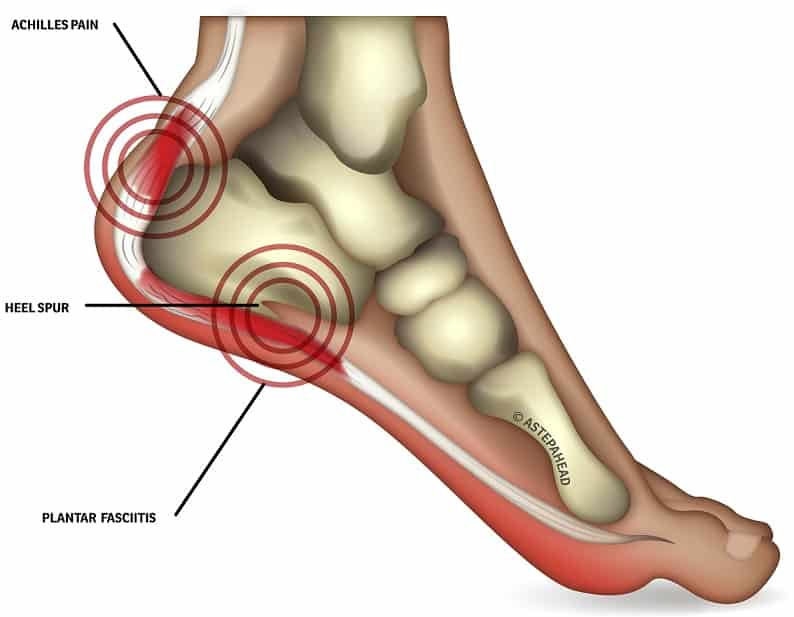
Plantar Fasciitis occurs when the plantar fascia becomes irritated or overloaded.
The plantar fascia is a thick band of tissue connecting the heel bone to the front of the foot. It helps support the arch and absorb impact during movement.
When repetitive stress accumulates, small tissue irritation and inflammation may develop, leading to heel pain.
Common Symptoms of Plantar Fasciitis
Symptoms usually develop gradually rather than suddenly.
Common signs include:
- Sharp pain near the bottom of the heel
- Pain during the first steps in the morning
- Increased discomfort after prolonged standing
- Heel tightness after periods of rest
- Pain after long walking sessions or exercise
Many people notice temporary improvement during movement, followed by recurring pain later in the day.
Why Morning Pain Is So Common
Morning pain is considered one of the hallmark symptoms of plantar fasciitis.
During sleep or prolonged rest:
- The plantar fascia tightens slightly
- Tissue stiffens temporarily
- Sudden loading during the first steps causes irritation
This explains why the first few steps after waking often feel particularly painful.
Risk Factors That Increase Heel Pain
Several factors may increase strain on the plantar fascia and heel structures.
Common contributors include:
- Prolonged standing
- Flat feet or high arches
- Unsupportive footwear
- Sudden increases in activity
- Tight calf muscles
- Excess body weight
- Repetitive impact activities
Certain occupations involving long hours on hard surfaces may also increase risk significantly.
Why Ignoring Heel Pain Often Makes It Worse
Many people delay treatment because the pain initially feels manageable.
However, prolonged irritation may eventually lead to:
- Chronic inflammation
- Altered walking patterns
- Reduced mobility
- Secondary knee or hip strain
- Long-term discomfort during daily activity
Early intervention generally produces better recovery outcomes.
How Plantar Fasciitis Treatment Malaysia Usually Works
Modern plantar fasciitis treatment Malaysia approaches often focus on reducing strain while restoring foot function gradually.
Treatment may include:
- Physiotherapy rehabilitation
- Stretching programmes
- Strengthening exercises
- Footwear assessment and modification
- Manual therapy
- Activity modification
- Shockwave therapy in selected cases
The objective is not only pain relief but also reducing recurrence risk.
Why Physiotherapy Plays an Important Role
Physiotherapy is commonly used because plantar fasciitis often involves movement and loading problems rather than isolated inflammation alone.
Treatment may focus on:
- Improving foot mechanics
- Reducing tissue tension
- Restoring calf flexibility
- Strengthening supporting muscles
- Improving walking patterns
This helps reduce repeated stress on the plantar fascia.
The Importance of Proper Footwear
Footwear has a direct impact on heel loading.
Shoes lacking support may increase stress on:
- The heel
- Arch structures
- Plantar fascia
Supportive footwear typically provides:
- Better shock absorption
- Improved arch support
- Reduced repetitive strain during walking
Walking barefoot on hard surfaces may worsen symptoms in some individuals.
Stretching and Mobility Matter
Tight lower leg muscles often contribute to increased tension through the foot.
Common rehabilitation approaches include stretching:
- The calf muscles
- Achilles tendon
- Plantar fascia itself
Improved flexibility reduces pulling forces acting on the heel during walking.
Recovery Usually Takes Time
One of the biggest misconceptions about plantar fasciitis is expecting immediate recovery.
Improvement often requires:
- Consistent rehabilitation
- Activity adjustments
- Footwear changes
- Progressive loading management
Some mild cases improve within weeks, while chronic conditions may require several months of structured management.
When Professional Assessment Is Important
Medical or physiotherapy assessment becomes important when:
- Heel pain persists for weeks
- Walking becomes difficult
- Pain worsens progressively
- Swelling develops
- Symptoms interfere with daily activities
Professional assessment helps confirm whether plantar fasciitis or another condition is responsible for the pain.
Final Thoughts
Heel pain can gradually affect movement, mobility, work routines, and overall quality of life when left unmanaged.
Because plantar fasciitis is one of the most common causes, recognising symptoms early is important for preventing long-term discomfort and recurring strain.
Modern plantar fasciitis treatment Malaysia approaches focus not only on temporary pain relief but also on correcting movement issues, improving foot support, and reducing future recurrence risk.
With proper rehabilitation, supportive footwear, and structured recovery strategies, most individuals can gradually return to normal walking and daily activity with significantly reduced discomfort.