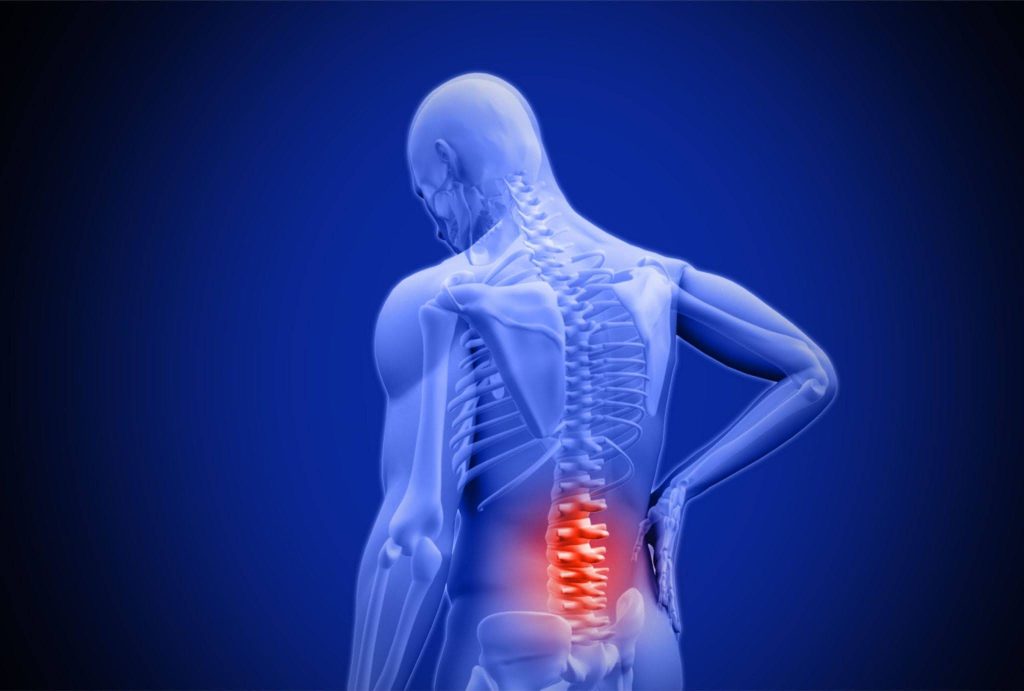
Lower back pain is one of the most common physical complaints among adults. It affects people across different age groups, occupations, and activity levels.
For some, it appears as a dull ache after long hours of sitting. For others, it becomes a recurring issue that interferes with movement, sleep, and daily routines.
Understanding the cause is the first step.
Lower back pain is not a single condition. It is usually a symptom of underlying mechanical, muscular, or postural issues. This article explains why lower back pain occurs and how physiotherapy addresses the root cause rather than just managing symptoms.
Key Takeaways
- Lower back pain is often caused by muscle strain, poor posture, or joint dysfunction
- Sedentary lifestyles and improper movement patterns increase risk
- Physiotherapy focuses on identifying and correcting the root cause
- Treatment includes but not limited to manual therapy, intramuscular stimulation, targeted exercises, and posture correction, whichever necessary
- Structured lower back pain treatment Malaysia programmes aim for long-term benefits
Table of Contents
Common Causes of Lower Back Pain
Lower back pain typically develops due to accumulated stress on the spine, muscles, and supporting structures.
- Muscle Strain and Overuse
Repeated movements, heavy lifting, or sudden strain can overstretch muscles and ligaments.
- Common in manual work or improper gym techniques
- Leads to localised pain and stiffness
- Poor Posture
Long hours of sitting, especially with improper support, place continuous pressure on the lower spine.
- Slouched sitting increases spinal load
- Weak core muscles fail to support posture
- Sedentary Lifestyle
Lack of movement weakens supporting muscles and reduces flexibility.
- Tight hip flexors and hamstrings affect spinal alignment
- Reduced mobility increases injury risk
- Disc-Related Issues
Intervertebral discs act as cushions between vertebrae.
- Bulging or herniated discs can compress nearby nerves
- May cause radiating pain down the legs (sciatica)
- Joint Dysfunction
Facet joints in the spine may become restricted or inflamed.
- Leads to stiffness and limited movement
- Pain often worsens with certain positions
How Lower Back Pain Affects Daily Function
Lower back pain does not remain isolated. It affects overall movement patterns and daily activities.
Common limitations include:
- Difficulty bending or lifting
- Reduced ability to sit or stand for long periods
- Disrupted sleep due to discomfort
- Compensatory movement patterns that cause problems to other areas
Without proper intervention, minor discomfort can develop over time and turn into chronic pain.
Why Symptom-Based Treatment Is Not Enough
Painkillers and rest may reduce discomfort temporarily, but they do not address the underlying cause.
Short-term relief methods:
- Reduce inflammation
- Mask pain signals
- Provide temporary comfort
However, the root issue often remains unchanged.
This is why structured lower back pain treatment Malaysia approaches increasingly focus on rehabilitation rather than symptom suppression.
How Physiotherapy Identifies the Root Cause
Physiotherapy begins with a detailed assessment.
A physiotherapist evaluates:
- Posture and spinal alignment
- Range of motion
- Muscle strength and imbalances
- Movement patterns during daily activities
This allows identification of the primary cause rather than treating pain in isolation.
Each treatment plan is then tailored based on findings.
How Physiotherapy Fixes Lower Back Pain
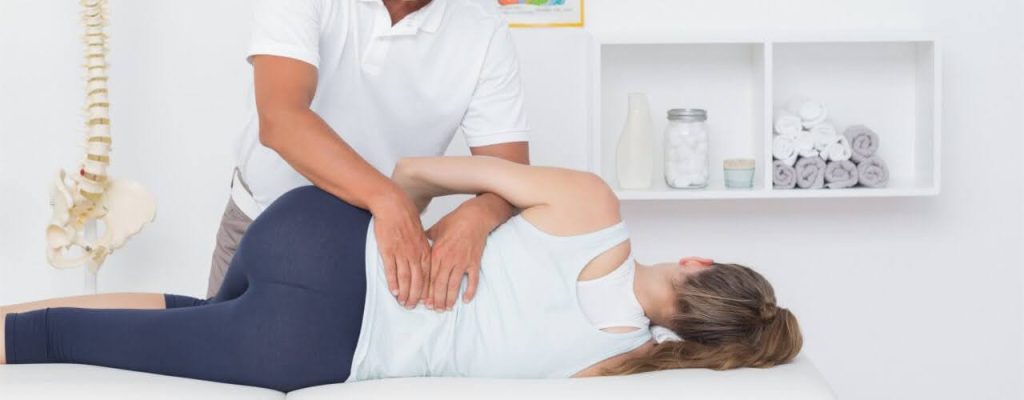
Physiotherapy uses a combination of techniques to restore function and reduce pain.
- Manual Therapy
Hands-on techniques help improve joint mobility and reduce stiffness.
- Soft tissue release
- Joint mobilisation
- Muscle relaxation techniques
- Targeted Exercise Therapy
Exercises are prescribed to strengthen weak muscles and improve stability.
- Core strengthening to support the spine
- Stretching tight muscle groups
- Improving flexibility and control
- Posture Correction
Patients are trained to maintain proper alignment during daily activities.
- Sitting and standing adjustments
- Ergonomic recommendations
- Movement re-education
- Movement Pattern Training
Incorrect movement patterns are corrected to prevent recurring strain.
- Proper lifting techniques
- Functional movement training
- Activity-specific guidance
- Pain Management Techniques
While addressing root causes, physiotherapy also manages pain through:
- Controlled exercises
- Modalities such as ultrasound or electrical stimulation (when appropriate)
The combination ensures both immediate relief and long-term correction.
What to Expect During Recovery
Recovery timelines vary depending on severity and underlying cause.
Condition Severity | Estimated Recovery Approach |
Mild strain | Physiotherapy, exercise and posture correction |
Moderate pain | Structured physiotherapy programme |
Chronic issues | Long-term rehabilitation and lifestyle changes |
Consistency is a key factor.
Progress depends on adherence to exercises and correction of daily habits.
When to Seek Physiotherapy
Early intervention prevents progression.
Seek professional assessment if:
- Pain persists beyond a few days
- Movement becomes restricted
- Pain radiates to the legs
- Symptoms worsen over time
- Daily activities are affected
Ignoring early signs increases the likelihood of chronic conditions.
Preventing Future Lower Back Pain
Prevention focuses on maintaining spinal health through consistent habits.
- Maintain proper posture during work and rest
- Strengthen core muscles regularly
- Avoid prolonged sitting without breaks
- Use correct lifting techniques
- Stay physically active
These measures reduce the risk of recurrence after treatment.
Conclusion
Lower back pain is rarely random. It is usually the result of identifiable mechanical or muscular issues.
Addressing it effectively requires more than temporary relief.
Physiotherapy provides a structured approach to identifying the cause, correcting movement patterns, and strengthening the body to prevent recurrence. Through manual therapy, targeted exercises, and posture correction, lower back pain treatment Malaysia programmes focus on restoring function rather than masking symptoms.
A disciplined approach to rehabilitation ensures that recovery is not only achieved, but sustained over time.